

BIOLEX toxicologists currently carry out the following tasks:
- Tests required for roadside safety
- Analysis of seizure products
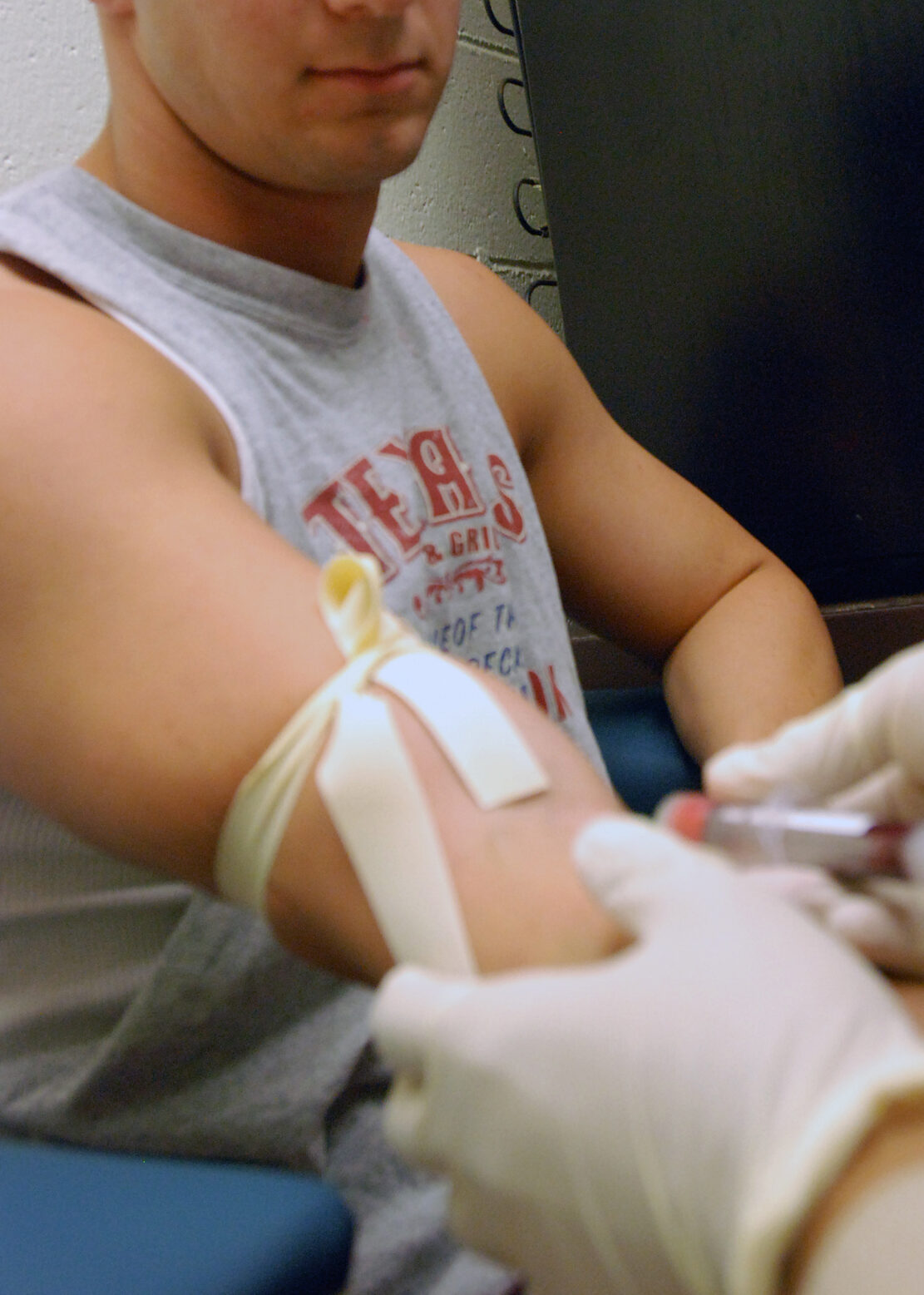
- Analysis of biological samples
- Skin appendages
These missions are distributed among the specialities of the Section:
G.7 Forensic toxicology in the industry G. - Criminalistics - Criminal sciences - Forensic science (https://www.legifrance.gouv.fr/jorf/id/JORFTEXT000046704451).
Roadside safety
and health in the workplace
Goals :
Evidence of the use of narcotic or psychotropic substances that make driving a vehicle dangerous for the driver and/or others.
Tasks :
• Search for and assay narcotics in saliva and blood;
• Blood alcohol tests;
• Testing for psychotropic drugs in the blood.
French Law References :
Art. L234-1 to L234-18: Chapter 4: Driving under the influence of alcohol
Art. L235-1 to L235-5: Driving after using substances or plants classified as narcotics.

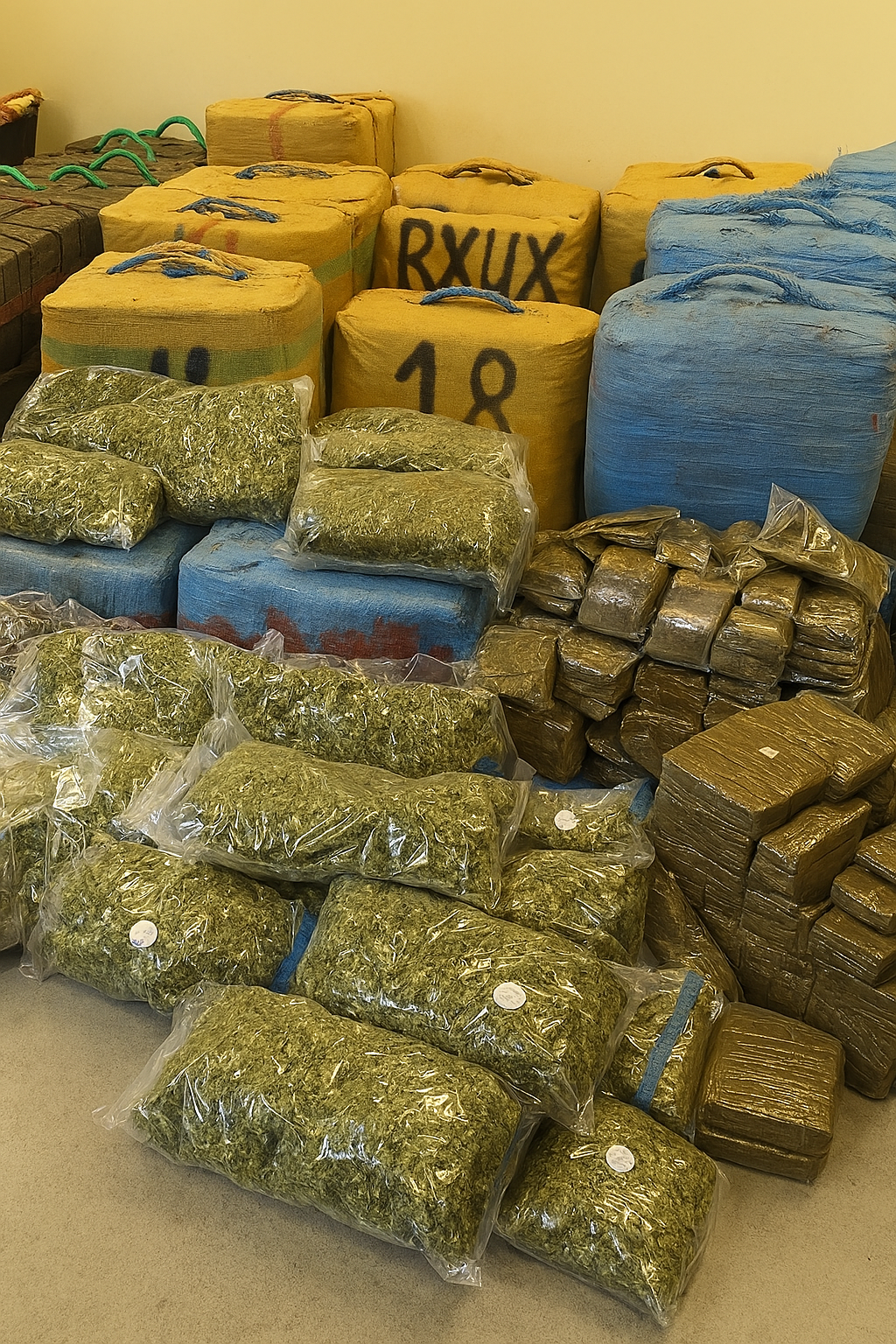
Analysis of seizure products
Goals :
1 - Identification of controlled substances : Classification of the facts
2 - Evidence of contact between a person or object and a controlled substance : Characterisation of use, manipulation, transaction, etc.
3 - Comparison of seals and profiling : Establishing links between case referrals and related individuals
Our missions are :
- Search for and assay narcotics or doping substances in powders (tablets, capsules, bulk), liquids, plant fragments, mushrooms, etc.
- Searching banknotes for drugs
- Search for drugs on objects (smartphones, clothing, utensils, vehicles, etc.) or even on a person's hands
- Drug profiling or matching of seals
Liquid or tissue samples analysis
Our goals:
1 - Death causes investigation : evidence of direct or indirect involvement of a substance
2 - Detection of substances affecting behavior, performance, or vigilance : establishing impairment in both the victim and the offender.
3 - Drowning diagnosis.
Our missions are :
- Leading toxicological expertise : Read more
- Investigation of drug-facilitated submission : Read more
- Screening for psychotropic or narcotic substances in beverages, food, and on objects (drug-facilitated incapacitation)
- Administration of toxic substance screening
- Anabolic agents research
- Diagnosis of drowning : Measuring strontium in blood and in suspected water
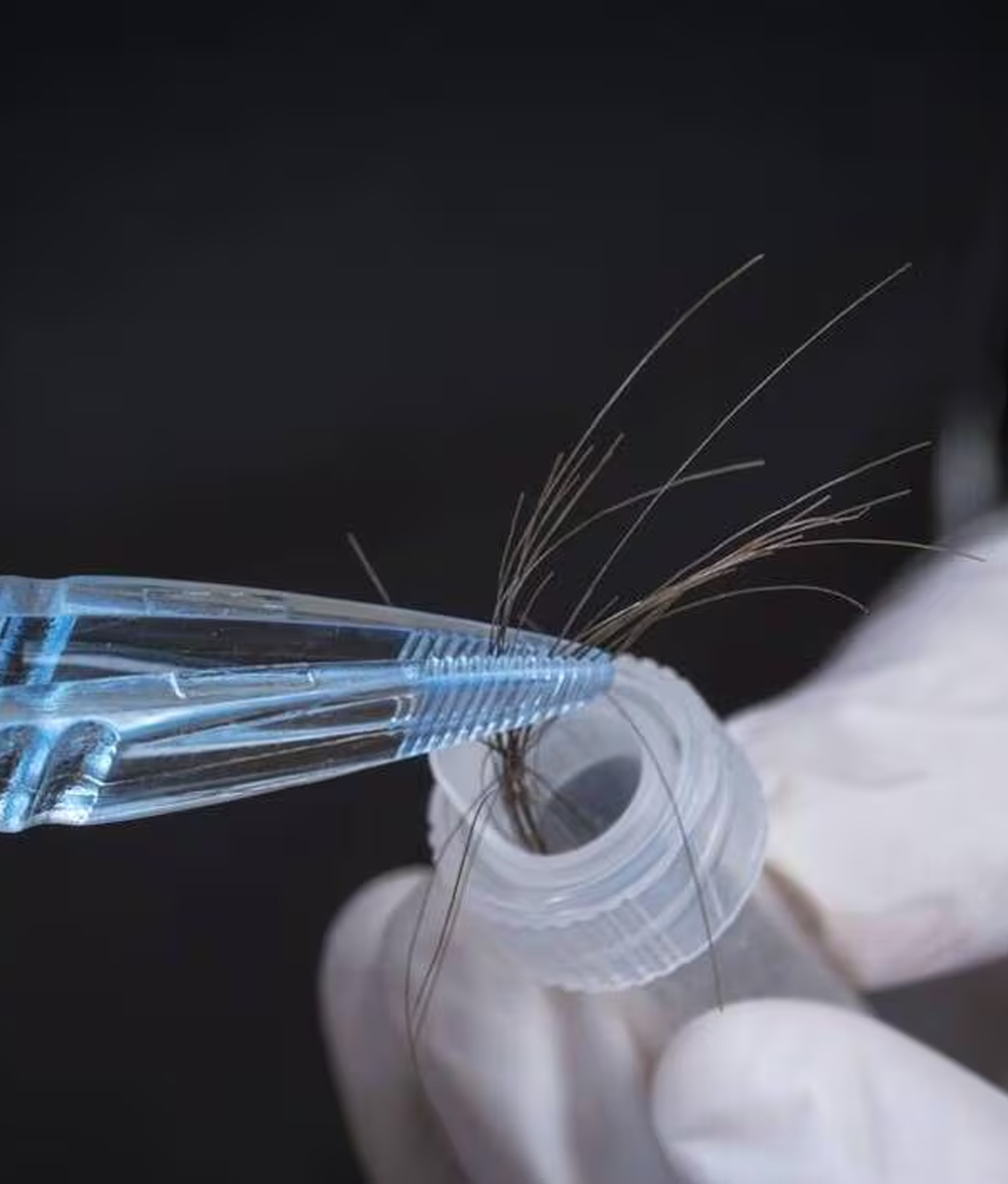
Hair and other appendages analysis
Goals :
1 - Detection of substances impairing behavior, performance, or vigilance : Establishing impairment in both victim and offender
2 - Exposure history : Consumption habits or timeline of exposure
Our missions are :
- Chemical submission search
- Search for psychotropic substances
- Search for narcotics
- Administration of toxic substance screening
- Anabolic agents research
Toxicology
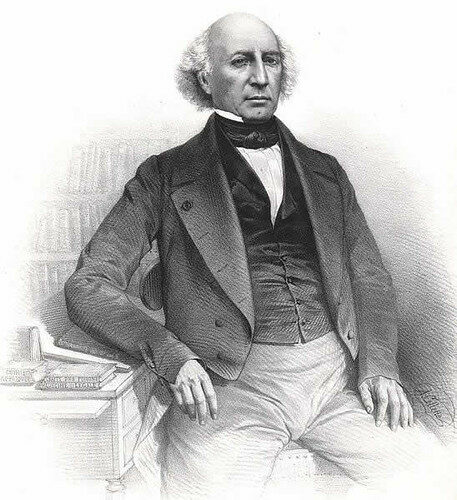
In the realm of forensic sciences, toxicology stands as one of the pioneering disciplines, emerging in the early 19th century thanks to the groundbreaking work of Professor Mathieu ORFILA.
A few years later, in his Treatise on Toxicology and Forensic Chemistry (1868), Professor Alphonse CHEVALLIER described toxicology as “the branch of chemistry and medicine dedicated to the study of poisons.”
Today, toxicology has evolved into a fully-fledged science at the intersection of medicine and chemistry, providing essential expertise for the investigation and understanding of chemical substances and their effects.th with the work of Professor Mathieu ORFILA.
A few years later, in his A treatise on toxicology and forensic chemistry (1868), Professor Alphonse CHEVALLIER defined toxicology as “the dogmatic part of chemistry and medicine which deals with poisons“. Since then, toxicology has become a science in its own right, halfway between medicine and chemistry.
Over two centuries, the knowledge, techniques, and resources available to forensic toxicologists have been completely transformed, rendering the ingenious methods of the 19th century obsolete.
At the same time:
• The industrialization and widespread availability of chemicals, particularly pharmaceuticals
• The mixing of peoples, cultures, and customs
• The facilitation of international flows, and
• The rise of the internet, among other factors have multiplied and complicated the cases toxicologists now face.
Every home in France contains a variety of medications and cleaning products, and often even solvents, lubricants, fuels, paints, acids, bases, etc., used for DIY, mechanics, or leisure activities. Access to alcoholic beverages is restricted only for minors, and despite prohibition, many narcotic substances remain available and continue to see increasing use. This abundance of sources corresponds to a complex array of cases.