

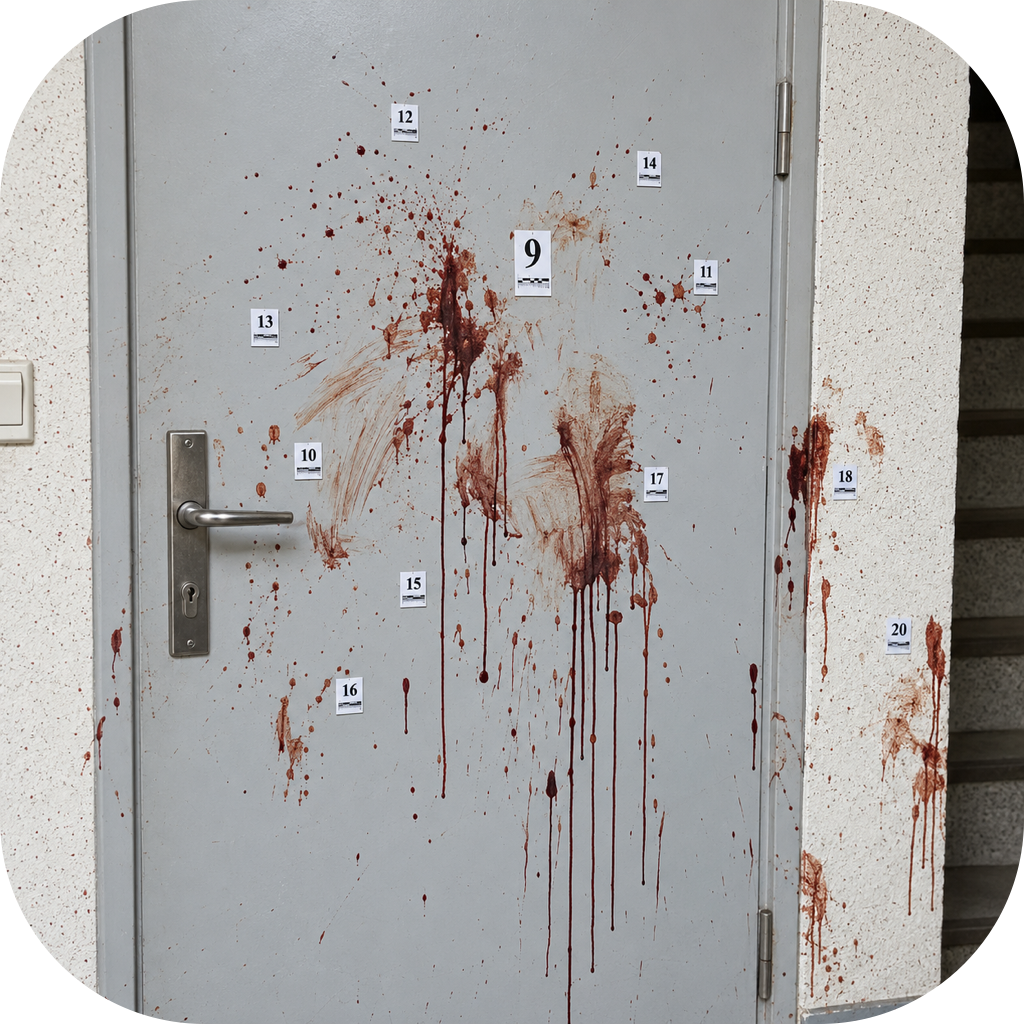
Determination of bloody events
Identification of events that caused the bloodstains (slips, use of firearms, pressure/friction, movements…)
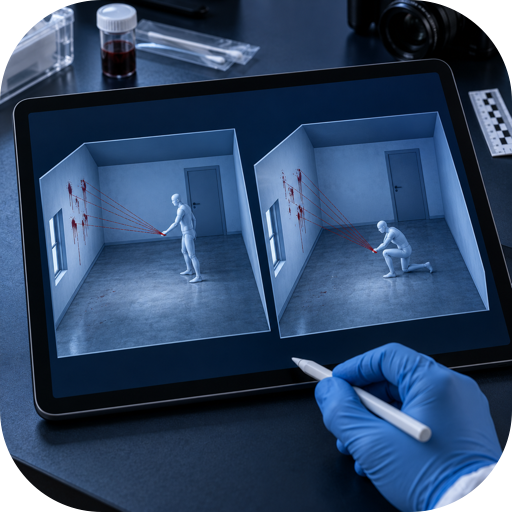
Formulation of
Hypotheses
Determining the circumstances surrounding the bloody events (the positions of the protagonists, the conditions under which traces were created…)
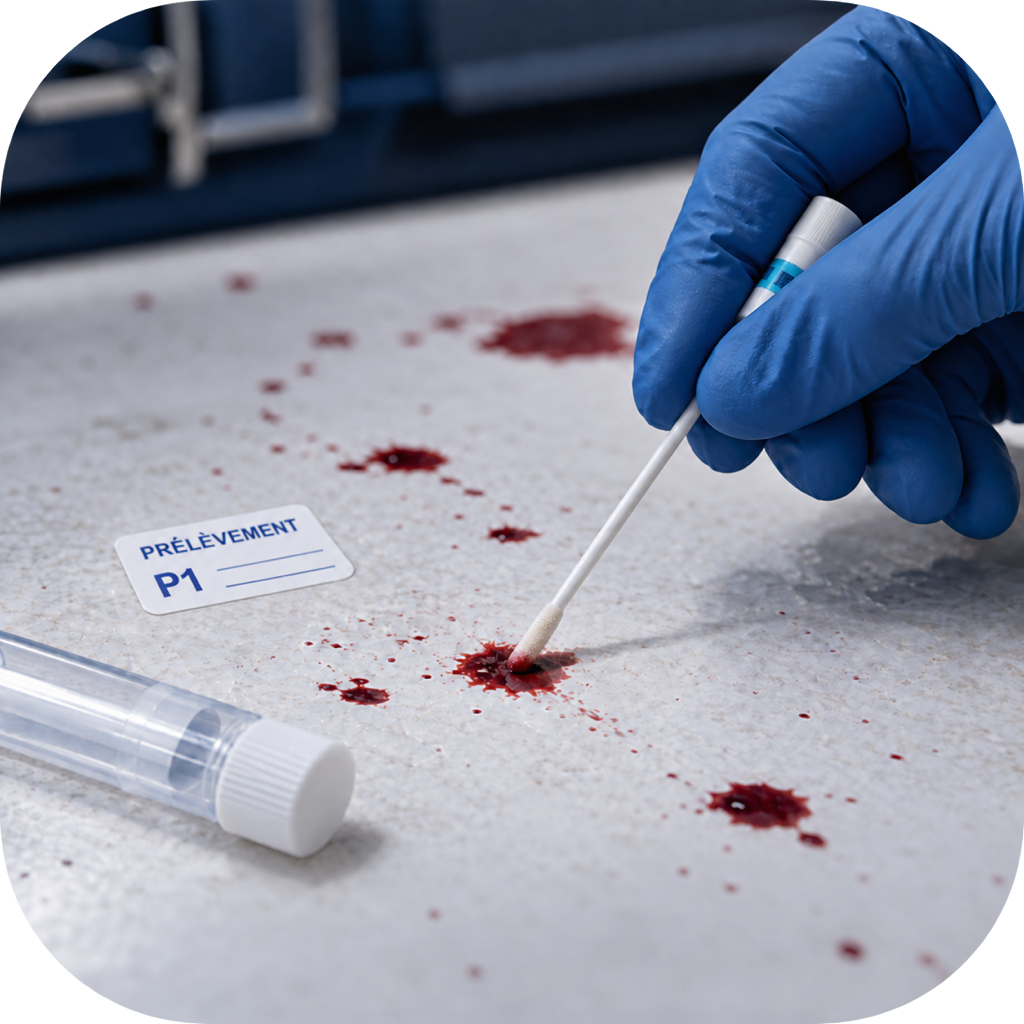
Individualisation of bloodstain patterns
Localization of the most relevant sampling areas and individualization of the blood sampling mechanisms (integration of genetic analysis results)
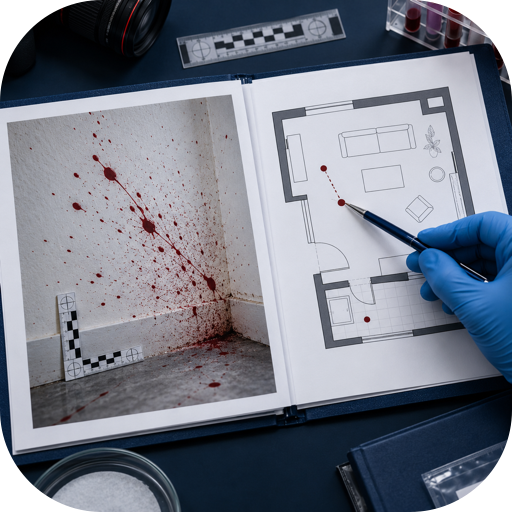
Support for the judicial investigation
Investigation direction and comparison of the statements of the protagonists with the bloody events (evaluation of the degree of compatibility…)
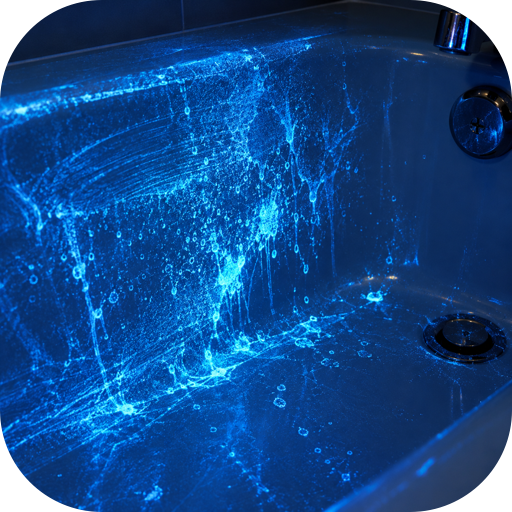
Chemical detection
Detection of traces of blood invisible to the naked eye for genetic analysis (cleaning of the area, alteration...)
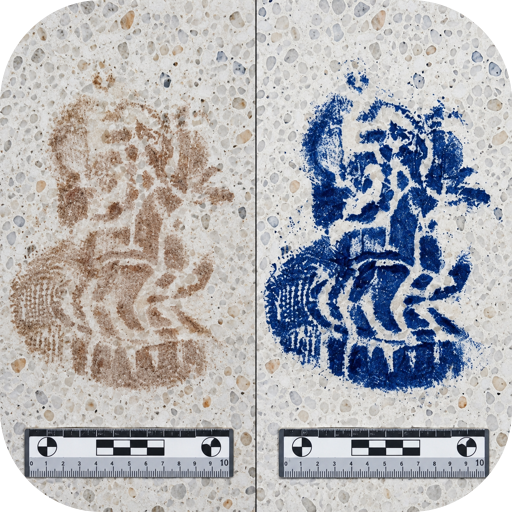
Signal boosting
Improved contrast of faintly visible bloodstains (objects, fingerprints, or footprints…)
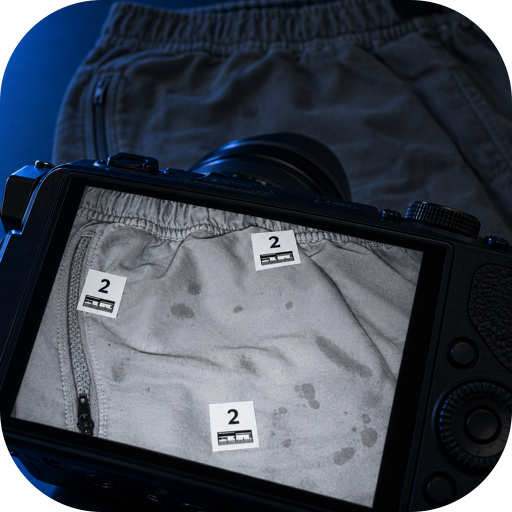
Infrared or ultraviolet radiation examination
Optimizing the detection of bloodstains on dark surfaces (clothing, objects…). Search for gunshot residue on dark surfaces